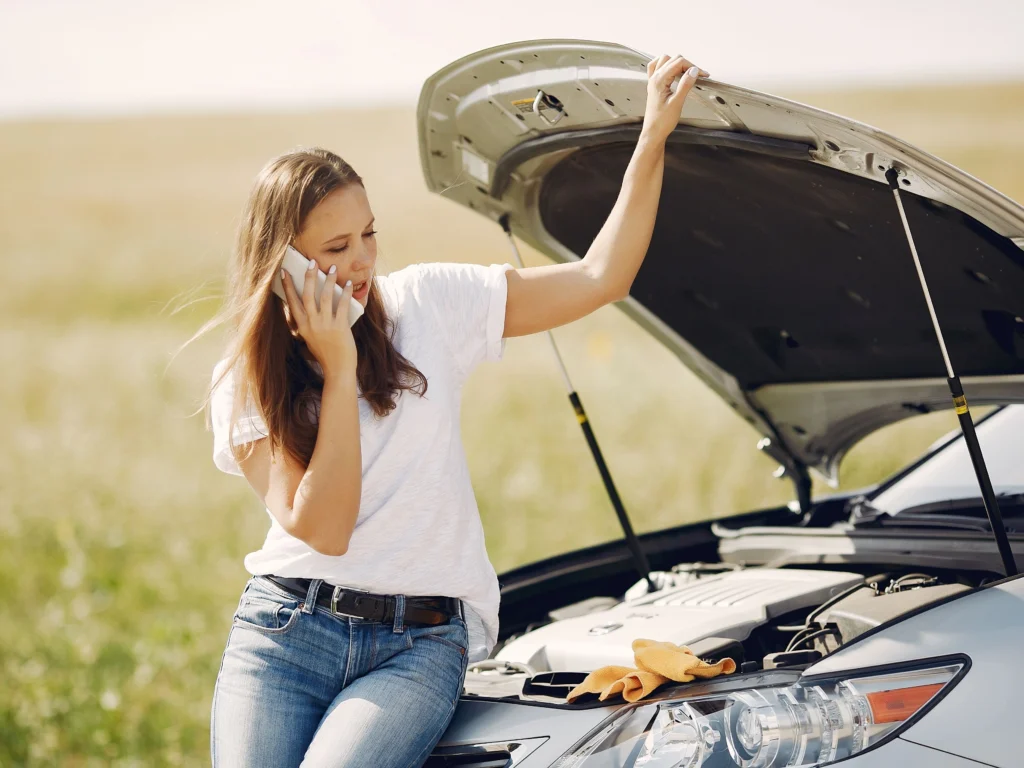
Car recovery services Hertfordshire drivers can rely on should not feel like a guessing game. Whether your car has stopped at home, on a local road near Stevenage, or on a faster route through the county, the right help depends on what has happened.
A flat battery, motorway breakdown, non-running vehicle, accident-damaged car, and classic car transport job all need different handling. Some issues can be assessed at the roadside. Others need a recovery truck, careful loading, or transport to a garage, repair centre, dealership, or home address.
That is why this guide focuses on choosing the right recovery support, not just defining the term. If your vehicle cannot be driven safely, Autoshift Recovery provides car recovery across Stevenage and Hertfordshire with 24/7 local support.
Car Recovery Services Hertfordshire Drivers Need Are Not One-Size-Fits-All
“Car recovery” is often used as a catch-all phrase, but the safest option depends on five things:
- Where the vehicle is
- What has happened
- Whether it can move
- How urgent the situation is
- Where it needs to go
A car that will not start on a driveway may only need roadside assistance or a jumpstart. A vehicle stopped on a busy road may need recovery before anyone investigates the fault. A classic car being moved to storage or a restoration specialist needs careful transport rather than emergency roadside handling.
The right recovery option depends on where the vehicle has stopped, whether it can be accessed safely, and whether it can continue without risking further damage. That judgement matters because the wrong choice can make a stressful situation worse.
What Car Recovery Services Usually Include
Car recovery services can involve more than towing a broken-down vehicle. Depending on the issue and what the driver needs, support may include:
- Emergency recovery when a vehicle cannot be driven safely
- Roadside breakdown assistance
- Towing or recovery to a chosen destination
- Transport to a garage, repair centre, dealership, or home
- Long-distance vehicle transport when needed
- Recovery for non-running or damaged vehicles
- Help with flat tyres, battery issues, accidents, and motorway breakdowns
The key point is that recovery should match the risk. If a warning light, overheating, a puncture, accident damage, or a mechanical fault means the vehicle should not be driven, arranging professional recovery is usually safer than trying to get “just a bit further”.
If you are unsure what to do first, it may help to review basic emergency breakdown procedures before arranging help, so you know what to do if a breakdown happens.
Breakdown Recovery, Roadside Assistance, Towing, and Vehicle Transport
Breakdown recovery usually starts when a vehicle fails unexpectedly. The driver may be at home, at work, in a car park, on a local road, or partway through a journey. The first question is simple: can the vehicle be made safe and driveable where it is?
Roadside assistance may involve a quick assessment or minor support, such as help with a flat battery or wheel issue. If the vehicle still cannot be driven safely, recovery or towing is needed.
Car recovery is broader. It can include emergency breakdowns, accident recovery, non-running vehicle recovery, planned transport, and long-distance movement. Planned vehicle transport is useful when the car is not stranded but still needs to be moved safely, for example to a garage, buyer, storage location, repair centre, or dealership. If the job is not urgent, this guide on how to choose the right vehicle transport option may help.
For drivers already stuck with a fault, Autoshift Recovery provides breakdown recovery support across Stevenage, Hertfordshire, and surrounding areas.
Why Local Knowledge Matters In Stevenage and Hertfordshire
Local car recovery is shaped by more than the fault itself. A non-starting vehicle on a driveway, a car stuck in a station car park, a breakdown near a business park, and a fault on a faster connecting road each require different practical decisions.
In Stevenage and across Hertfordshire, access often determines the recovery plan. Town-centre roads, residential estates, workplace entrances, retail car parks, commuter routes, and motorway-adjacent roads can all affect where the recovery truck can stop and how the vehicle can be loaded safely.
Response times depend on location and traffic, but a local operator can often give clearer updates and more practical support. Local knowledge also helps when deciding whether the vehicle should go to a nearby garage, repair centre, dealership, home address, or another suitable destination.
Motorway Recovery Needs a Safety-First Approach
A motorway breakdown is not the same as a car that will not start at home. Higher speeds, limited stopping places, and exposed access make motorway recovery a higher-risk situation.
If your car breaks down on a motorway, put safety first:
- Move to a safer place if possible, such as the hard shoulder or an emergency refuge area
- Switch on your hazard warning lights
- Exit using the left-hand doors if it is safe to do so
- Move behind a barrier and stay away from traffic
- Do not use a warning triangle on a motorway
- If you are stranded in a live lane, stay in the vehicle with your seatbelt and hazard warning lights on, then call 999 immediately and ask for the police
Once you are safe, contact a professional recovery provider. The official Highway Code breakdown rules and National Highways motorway advice both support this safety-first approach. For more guidance, read Autoshift Recovery’s motorway breakdown recovery guide so you are prepared if you suddenly find yourself in the same situation.
Classic Cars, Non-Runners, and Damaged Vehicles Need Extra Care
Classic cars, vintage vehicles, low-clearance cars, restoration projects, non-runners, and damaged vehicles often need more planning than ordinary roadside recovery. The concern is not only moving the vehicle. It is loading it carefully, securing it properly, protecting fragile or valuable components, and keeping the owner informed.
Formed in 2005, Autoshift Recovery initially specialised in transporting classic cars and built a reputation among classic car owners for reliability and skill before expanding to support local garages, main dealers, and the general public.
Classic car transport often requires a more careful, condition-aware approach. Clearance, age, steering, braking, bodywork, and how long the vehicle has been unused can all affect the loading plan. For cherished or older vehicles, careful loading and secure transport are often more important than speed alone.
If you are arranging movement for a classic, vintage, low-clearance, or non-running car, it’s best to speak to a provider who understands the difference between ordinary towing and careful transport. We also have a guide on how to safely transport a classic car.
What to Look for In a Recovery Provider
A reliable recovery provider should make the next step clearer. Here’s what to look for:
- 24-hour availability
- Experienced recovery drivers
- Professional recovery equipment
- Safe vehicle transport
- Ability to recover non-running vehicles
- Clear communication
- Local knowledge
- Support for delivery to a garage, repair centre, dealership, or home
- Experience with different vehicle types
Autoshift Recovery provides 24/7 vehicle recovery and roadside assistance across Stevenage, Hertfordshire, and surrounding areas. Drivers can speak directly with an experienced recovery driver rather than a call centre, which helps when practical advice or immediate help is needed.
We provide car recovery, breakdown recovery, motorway recovery, wheel changes, jumpstarts, recovery truck transport, and classic car transport.
What Information to Give When You Call
The more detail you can share, the easier it is for a recovery driver to plan the safest approach.
Before you call, gather what you can:
- Your exact location, such as the road name, postcode, landmark, or motorway marker if available
- Vehicle make, model, and registration
- Whether the vehicle can move, steer, roll, or brake
- What happened before the problem started
- Any warning lights, overheating, puncture, battery issue, or accident damage
- Whether passengers are with you
- Any immediate safety concerns
- Your preferred destination, such as home, a garage, a repair centre, or a dealership
- Whether the vehicle is classic, low-clearance, modified, damaged, or non-running
Do not put yourself at risk to gather details. If you are in an exposed position, get to safety first.
Frequently Asked Questions
What is the difference between car recovery and breakdown recovery?
Car recovery is a broader service that can include emergency call-outs, planned vehicle transport, accident recovery, and moving non-running vehicles. Breakdown recovery usually refers to help when a vehicle fails unexpectedly and cannot be driven safely. If roadside repair is not possible, the vehicle may need to be recovered to a garage, repair centre, dealership, or home.
Can my car be recovered if it will not start?
Yes. Professional recovery operators can recover non-running vehicles using suitable equipment. When you call, explain whether the vehicle can steer, roll, or brake, so the recovery provider can plan the safest loading and transport method.
Where can a recovery company take my vehicle?
A recovery provider can usually take your vehicle to a chosen garage, repair centre, dealership, or home address. If you are unsure where it should go, the recovery driver may be able to offer practical guidance once the vehicle and location are safe.
What should I do if I break down on a motorway?
Prioritise your safety. If it is safe to do so, move to the hard shoulder or an emergency refuge area, switch on your hazard warning lights, exit using the left-hand doors, and wait behind a barrier. Do not use a warning triangle on a motorway. If you are stuck in a live lane, keep your seatbelt on, keep your hazard warning lights on, and call 999 immediately.
Can classic cars be transported safely by a recovery company?
Yes, but they require careful handling. Classic and vintage vehicles may have low ground clearance, fragile components, or unusual dimensions. Choose a provider experienced in classic car transport, with suitable loading methods, secure strapping, and clear communication.
Need Help Choosing The Right Recovery Service?
If you are unsure which type of recovery service you need, it is better to speak directly to a local recovery driver than risk driving a vehicle that may not be safe.
Autoshift Recovery provides 24/7 car recovery, breakdown recovery, motorway recovery, vehicle transport, wheel changes, jumpstarts, and careful classic car transport across Stevenage and Hertfordshire. We can help you decide whether roadside assistance, towing, recovery truck transport, or planned vehicle movement is the safest next step.
Have a question or need immediate assistance? Reach out via our contact page, call 07702 669342, or email autoshiftinfo@aol.com.